How to Fix Yellow Leaves on Plants
Yellow leaves on plants can be a distressing sight for any plant lover. If you’ve ever wondered how to fix yellow leaves on plants, you’re not alone. This common issue can affect a wide variety of houseplants and garden specimens alike. Understanding the underlying causes and implementing effective solutions can help restore your plants to their vibrant, green glory.
Common Causes of Yellow Leaves
Before diving into solutions, it’s essential to identify the reasons behind yellowing leaves. Here are some of the most common causes:
1. Overwatering
One of the primary culprits of yellow leaves is overwatering. When plants receive too much water, their roots can become waterlogged, leading to root rot. This condition prevents the plant from absorbing essential nutrients, resulting in yellowing leaves.
2. Underwatering
Conversely, underwatering can also lead to yellow leaves. When plants are deprived of water, they can’t perform photosynthesis effectively, causing leaves to turn yellow and eventually drop off.
3. Nutrient Deficiency
Plants require a balanced diet of nutrients, including nitrogen, potassium, and magnesium. A deficiency in any of these can lead to yellow leaves. For instance, nitrogen deficiency often results in older leaves turning yellow, while magnesium deficiency can cause yellowing between the veins of the leaves.
4. Pests and Diseases
Insects such as aphids, spider mites, and whiteflies can sap the vitality of your plants, leading to yellow leaves. Additionally, diseases like fungal infections can also cause yellowing as they disrupt the plant’s ability to absorb water and nutrients.
5. Environmental Stress
Changes in the environment, such as temperature fluctuations, low humidity, or exposure to direct sunlight, can stress plants and lead to yellow leaves. For example, a sudden drop in temperature can shock a plant, causing its leaves to yellow.
Diagnosing the Problem
To effectively address yellow leaves, you must first diagnose the problem accurately. Here are some steps to help you determine the cause:
Inspect the Soil
Check the moisture level of the soil. If it feels soggy or overly dry, you may have an issue with watering. Use your finger to test the soil about an inch deep; it should feel moist but not wet.
Examine the Leaves
Look closely at the yellow leaves. Are they wilting, crispy, or soft? This can provide clues about whether the issue is related to watering or pests. For instance, crispy leaves may indicate underwatering, while soft, mushy leaves suggest overwatering.
Check for Pests
Inspect the undersides of leaves and the stems for any signs of pests. Look for small insects, webbing, or sticky residue, which can indicate an infestation.
Assess Nutrient Levels
If you suspect a nutrient deficiency, consider the type of fertilizer you’re using. A balanced fertilizer with equal parts nitrogen, phosphorus, and potassium can help restore nutrient levels.
Effective Solutions to Fix Yellow Leaves
Once you’ve diagnosed the problem, it’s time to implement solutions. Here’s how to fix yellow leaves on plants based on the identified cause:
1. Adjust Watering Practices
If overwatering is the issue, allow the soil to dry out before watering again. Ensure that your pots have proper drainage holes to prevent water from accumulating. For underwatering, gradually increase your watering frequency, ensuring the soil remains consistently moist but not soggy.
2. Fertilize Appropriately
For nutrient deficiencies, consider using a balanced fertilizer. Follow the instructions on the label to avoid over-fertilizing, which can also lead to yellow leaves. A slow-release fertilizer can provide a steady supply of nutrients over time.
3. Treat Pests
If pests are the cause, treat your plants with insecticidal soap or neem oil. These treatments are effective against a variety of pests and are safe for most plants. Regularly inspect your plants to catch infestations early.
4. Improve Environmental Conditions
To address environmental stress, consider relocating your plants to a more suitable location. Ensure they receive adequate light without being exposed to harsh direct sunlight. If humidity is low, especially in winter, consider using a humidifier or placing a tray of water near your plants to increase moisture in the air.
5. Prune Affected Leaves
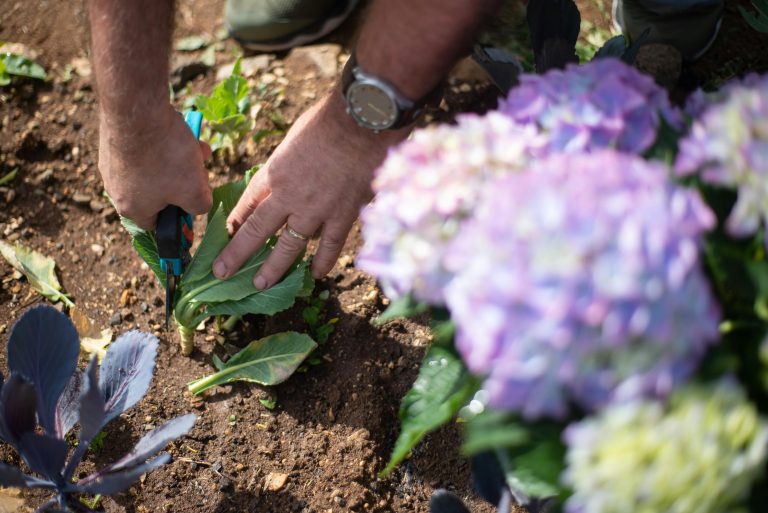
If some leaves are severely yellowed or damaged, it’s best to prune them off. This not only improves the plant’s appearance but also allows it to focus its energy on healthier leaves.

Preventive Measures for Healthy Plants
Now that you know how to fix yellow leaves on plants, it’s crucial to implement preventive measures to avoid future issues. Here are some tips:
1. Regularly Monitor Watering
Establish a consistent watering schedule based on the specific needs of your plants. Use a moisture meter for more precise readings, especially for plants that are sensitive to changes in moisture levels.
2. Fertilize Wisely
During the growing season, typically spring and summer, fertilize your plants every 4-6 weeks. In fall and winter, reduce or eliminate fertilization, as many plants enter a dormant phase.
3. Maintain Cleanliness
Keep the leaves and the surrounding area clean. Dust can accumulate on leaves, blocking sunlight and reducing photosynthesis. Wipe leaves with a damp cloth to keep them clean and healthy.
4. Choose the Right Plants
When selecting plants, consider their specific environmental needs. Some plants thrive in low light, while others require bright, indirect sunlight. Research each plant’s requirements to ensure you provide the best care.
5. Rotate Plants
If you have multiple plants in the same area, consider rotating them periodically. This helps ensure that all plants receive equal light exposure, preventing uneven growth.
When to Seek Professional Help
Sometimes, despite your best efforts, yellow leaves persist. If you’ve tried various solutions without success, it may be time to consult a professional. A local nursery or plant expert can provide insights tailored to your specific plant and situation. Additionally, if you suspect a serious disease, a professional can help diagnose and treat the issue effectively.
Conclusion and Final Tips
Understanding how to fix yellow leaves on plants is essential for any plant enthusiast. By diagnosing the problem accurately and implementing the right solutions, you can restore your plants to their lush, green state. Remember to monitor your plants regularly and adjust your care routine as needed. With a little patience and attention, your plants can thrive and bring beauty to your home or garden.