

No, the classic Olive Garden Italian Dressing is NOT gluten-free. It contains ingredients derived from wheat, making it unsuitable for individuals with celiac disease, non-celiac gluten sensitivity, or wheat allergies.
For many, the iconic tang of Olive Garden’s Italian dressing is synonymous with their beloved breadsticks and endless salad. However, for those navigating a gluten-free diet, the pressing question “is olive garden dressing gluten free” is a critical one, and unfortunately, the answer is a firm no. This revelation can be disappointing, as even a seemingly simple salad dressing can harbor hidden gluten, posing significant health risks for individuals with celiac disease or severe gluten sensitivities.
Understanding the intricacies of food labeling and restaurant practices is paramount when managing dietary restrictions. In this comprehensive guide, we’ll delve into why the Olive Garden dressing isn’t safe, explore the potential for cross-contamination, and uncover a wealth of strategies for enjoying delicious, worry-free meals—both at Olive Garden and when recreating your favorite flavors at home. You’ll learn how to identify hidden gluten, ask the right questions, and empower yourself to make informed dining choices.
Unveiling the Truth: Why is Olive Garden Dressing NOT Gluten-Free?
The primary reason the classic Olive Garden Italian Dressing is not gluten-free lies within its ingredient list. While the exact formulation is proprietary, restaurant dressings often contain ingredients that act as thickeners, stabilizers, or flavor enhancers, which are frequently derived from wheat. Common culprits include modified food starch, malt vinegar, or certain “natural flavors” that may use gluten-containing carriers.
For individuals with celiac disease, even trace amounts of gluten can trigger a severe autoimmune response, leading to intestinal damage and a host of debilitating symptoms. Therefore, a definitive “no” to the question “is olive garden dressing gluten free” is crucial. Always prioritize official allergen information provided by the restaurant, which typically confirms the presence of wheat in their signature dressing.
Common Gluten Culprits in Dressings and Sauces
Many commercially prepared dressings and sauces, not just Olive Garden’s, can contain hidden gluten. Understanding these common ingredients empowers you to make safer choices:
- Modified Food Starch: Often derived from wheat, unless specifically labeled as corn, potato, or tapioca starch.
- Malt Vinegar: Always made from barley, which contains gluten.
- Soy Sauce: Traditional soy sauce contains wheat; opt for tamari, which is typically gluten-free.
- Wheat Flour: Used as a thickener in some creamier dressings or gravies.
- “Natural Flavors”: A broad category that can sometimes hide gluten-containing components, especially if not certified gluten-free.
Always scrutinize ingredient labels, even on products you might assume are safe. A quick scan can prevent an accidental gluten exposure.
Navigating the Olive Garden Menu: Beyond the Dressing
While the answer to “is olive garden dressing gluten free” is clear, dining at Olive Garden with gluten sensitivities doesn’t mean you’re entirely out of options. The restaurant does provide an allergen guide, which is an invaluable resource. This guide lists common allergens, including wheat, for most of their menu items. It’s important to remember that while the guide can identify dishes without gluten-containing ingredients, it doesn’t always account for cross-contamination risks inherent in a busy kitchen.
Understanding Cross-Contamination Risks in Restaurants
Cross-contamination occurs when gluten-free food comes into contact with gluten-containing ingredients or surfaces. In a restaurant setting, this can happen in numerous ways:
- Shared Fryers: If french fries are cooked in the same oil as breaded items, they are no longer gluten-free.
- Shared Utensils and Cutting Boards: Using the same tools for gluten and gluten-free items can transfer particles.
- Airborne Flour: In kitchens where flour is used, particles can become airborne and settle on other foods.
- Prep Surfaces: Even after wiping, residual gluten can remain on counters.
When ordering, always inform your server about your dietary needs and emphasize the severity of your gluten sensitivity or celiac disease. Ask them to communicate with the kitchen staff to ensure proper precautions are taken. Many restaurants are becoming more educated, but vigilance on your part is key.
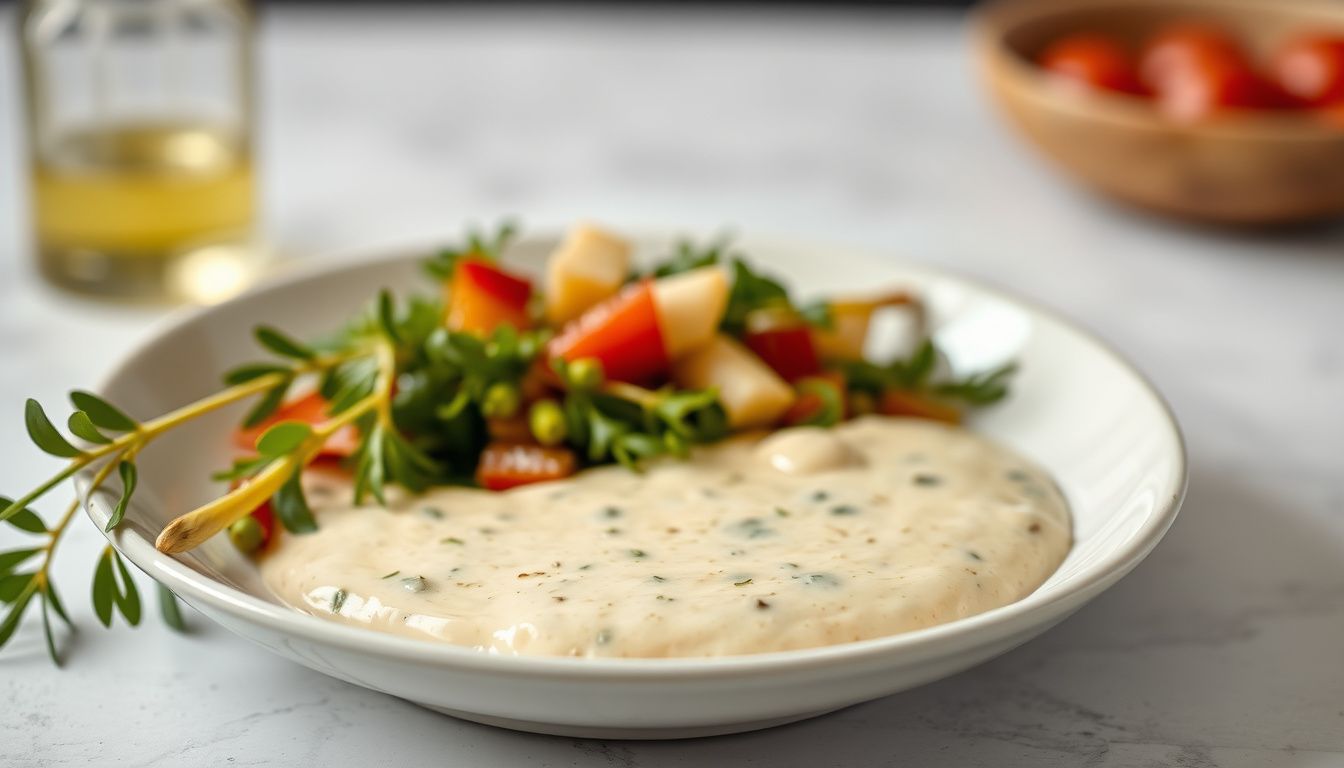
Crafting Your Own Gluten-Free Olive Garden-Style Dressing at Home
Since the original dressing isn’t an option, why not recreate the magic in your own kitchen? Making a gluten-free Olive Garden-style dressing at home gives you complete control over ingredients and eliminates any concerns about cross-contamination. It’s surprisingly simple and often tastes even fresher.
A homemade version typically involves a blend of oil, vinegar, herbs, and spices. The key is to select naturally gluten-free components and ensure any packaged ingredients, like spices or mustard, are certified gluten-free. This approach allows you to enjoy that beloved flavor profile without any compromise to your dietary health.
Top 5 Gluten-Free Ingredient Swaps for Authentic Flavor
Achieving that signature Olive Garden dressing taste requires a few key elements. Here are some gluten-free swaps and tips:
- Vinegar Base: Use white vinegar, red wine vinegar, or apple cider vinegar. Avoid malt vinegar.
- Oil: A good quality extra virgin olive oil is essential for flavor and texture.
- Sweetener: Granulated sugar or a gluten-free liquid sweetener like agave or maple syrup.
- Herbs & Spices: Garlic powder, onion powder, Italian seasoning blend (ensure it’s GF), oregano, basil, and a pinch of red pepper flakes.
- Emulsifier: A small amount of Dijon mustard (check label for GF certification) can help emulsify the dressing and add depth.
Experiment with the ratios to find your perfect balance of tangy, sweet, and savory. A food processor or blender can help achieve a smooth, creamy consistency, mimicking the restaurant version.
The Crucial Role of Communication: Dining Out with Gluten Sensitivities
Effective communication is your most powerful tool when dining out with gluten sensitivities. Don’t be afraid to ask questions and clearly state your needs. A polite but firm approach ensures that the restaurant staff understands the seriousness of your dietary requirements. This proactive stance significantly reduces the risk of accidental gluten exposure, especially when considering items like “is olive garden dressing gluten free” or other seemingly simple components.
Many restaurants are trained to handle allergen requests, but the level of understanding can vary. Always speak directly with your server, and if you have any doubts, request to speak with a manager or chef. They can often provide the most accurate information and advise on safe preparation methods. Your health is worth the extra effort.
Essential Questions to Ask Your Server
To ensure a safe dining experience, here are some critical questions to ask your server:
- “I have a severe gluten allergy/celiac disease. Can you confirm which items on the menu are truly gluten-free and how they are prepared to avoid cross-contamination?”
- “Does this dish contain any wheat, barley, or rye ingredients, even in sauces or marinades?”
- “Are separate utensils, cutting boards, and cooking surfaces used for gluten-free orders?”
- “Is the frying oil shared with breaded items?”
- “Can you please double-check with the kitchen staff to ensure my meal is prepared safely?”
Being specific and reiterating the severity of your allergy can make a significant difference in how your order is handled.
| Aspect | Olive Garden Italian Dressing (Original) | Gluten-Free Alternative (Homemade/Certified GF) |
|---|---|---|
| Gluten Status | Contains Wheat (NOT Gluten-Free) | Gluten-Free (Certified or Verified Ingredients) |
| Ingredient Control | Proprietary; contains gluten ingredients | Full control over all ingredients |
| Cross-Contamination Risk | High (not designed for GF diets) | Minimal to none (depending on preparation) |
| Accessibility | Readily available at Olive Garden | Requires preparation or specific shopping |
| Dietary Suitability | Unsuitable for celiac/gluten-sensitive | Safe for celiac/gluten-sensitive individuals |
Frequently Asked Questions
Is Olive Garden’s breadstick gluten-free?
No, Olive Garden’s famous breadsticks are not gluten-free. They are made with wheat flour and contain gluten, making them unsuitable for individuals with gluten sensitivities or celiac disease.
Does Olive Garden have a dedicated gluten-free menu?
While Olive Garden does not offer a separate, dedicated gluten-free menu, they provide an allergen guide that details which menu items contain common allergens, including wheat. It’s essential to consult this guide and speak with your server.
What are some safe gluten-free options at Olive Garden?
Options can vary, but generally, grilled chicken, some plain salads (without croutons or the classic dressing), and certain unseasoned vegetables might be safe. Always check the allergen guide and confirm with staff about preparation methods to avoid cross-contamination.
Can I bring my own dressing to Olive Garden?
Restaurant policies on bringing outside food, including dressing, vary. While some establishments might be accommodating, it’s generally not encouraged. It’s best to call ahead and inquire about their specific policy if you wish to bring your own gluten-free dressing.
How can I verify if a dish is truly gluten-free at Olive Garden?
The most reliable way to verify is to consult Olive Garden’s official allergen guide and then speak directly with your server and ideally, a manager or chef. Clearly communicate your dietary restriction and ask about preparation methods to ensure safety.
Are all Italian dressings gluten-free?
No, not all Italian dressings are gluten-free. Many commercial and restaurant Italian dressings may contain hidden gluten ingredients such as modified food starch, malt vinegar, or other wheat-derived components. Always check labels or inquire about ingredients.
Is the Olive Garden soup gluten-free?
Most of Olive Garden’s popular soups, such as Pasta e Fagioli, Zuppa Toscana, and Minestrone, typically contain gluten due to pasta, flour-based thickeners, or other ingredients. The official allergen guide will confirm the presence of wheat in these items.
Making Informed Choices: Your Gluten-Free Journey
Navigating a gluten-free lifestyle, especially when dining out, requires awareness and proactive communication. The definitive answer to “is olive garden dressing gluten free” is no, which underscores the importance of scrutinizing every ingredient and understanding potential risks. By empowering yourself with knowledge about hidden gluten and the nuances of cross-contamination, you can confidently make choices that support your health and well-being. Remember that while some restaurant items might be off-limits, the world of delicious gluten-free alternatives, especially homemade ones, is vast and rewarding.
Your journey to safe and enjoyable gluten-free dining is an ongoing process of learning and advocacy. Don’t hesitate to ask questions, research ingredients, and explore new recipes. Embrace the power of informed decisions, and you’ll find that managing your dietary needs can lead to a more adventurous and satisfying culinary experience. Start exploring safe options today and savor every meal with confidence!