
You searched “how did wolfgang die project eden’s garden” and landed in a gardening guide. Here is the short spoiler-safe answer, followed by a complete plan to build your own Eden-inspired garden at home.
If you are here for a quick check on the game, here it is in one line. As of today, there is no verified public chapter where Wolfgang’s death is confirmed in Project: Eden’s Garden. Fans discuss many theories, but details can change with new releases. To keep this guide useful for gardeners, I will shift to a positive spin: how to craft your own “Eden’s garden” that thrives, looks lush, and is easy to care for.
I am a long-time home gardener who loves simple systems. I like clean soil, smart water use, and plants that pull their weight. I also like games and stories. So I made a memory tool from the name “WOLFGANG” to plan gardens step by step. It is friendly for small yards and big dreams.
By the end, you will have a plan you can start this week. You will also learn how to fix common problems, save money, and grow with less stress. Keep reading. It is simple and clear, and it works.
- Quick answer
- Build an Eden-inspired garden
- The WOLFGANG method
- Step-by-step plan
- Smart structures
- Biodiversity and wildlife
- Maintenance schedules
- Troubleshooting
- Budget, tools, and time
- My hands-on notes
- Sustainable practices
- FAQs
Answer first: “how did wolfgang die project eden’s garden”
Here is the clear, direct answer. As of the latest public releases, there is no confirmed death scene for Wolfgang in Project: Eden’s Garden. Community chats may share theories, but they are not official. Future parts of the game may change this.
Why do gardeners search this phrase? It blends two ideas we love: “Eden” and beautiful, well-built green spaces. So let us use that energy to build a lush home plot you can enjoy now. The rest of this guide shows you how.
Build an Eden-inspired garden at home
Pick your spot and read your site
Watch the sun at three times in a day. Morning, noon, and late day. Note shade from walls or trees. Look for wind, slope, and water flow.
Mark wet and dry zones after rain. See where puddles linger. Note soil type by feel. Sandy soil feels gritty. Clay feels sticky. Loam feels soft.

Image source: Pexels | Photo by Nelson Axigoth on Pexels
Improve soil the simple way
Lay cardboard on grass where beds will go. Wet it well. Add 3–4 inches of compost on top. Mulch with leaves or wood chips. Wait two weeks, then plant.
This kills weeds and feeds the soil life. It is easy and cheap. Do not till unless you must fix hardpan. Keep roots in the ground year round.
Use microclimates to your gain
Warm south walls suit heat lovers like tomatoes and basil. Cool east beds suit greens. Windy corners need a hedge or fence. Low dips hold frost, so plant hardy crops there.
With small changes, you get big wins. Place plants where they want to live. That makes care simple.
The WOLFGANG method: a friendly plan you can use
I use WOLFGANG as a simple tool. Each letter guides one key choice. It keeps you on track and stress low.
W — Water-wise design
Group plants by water need. Run one drip line per group. Mulch bare soil to reduce loss. Use rain barrels if you can. Water in the morning.
O — Observe before you act
Spend one week just watching the site. Track sun, wind, and shade. List what you like and what you do not. Do less, but do it right.
L — Layered planting
Use canopy, shrub, herb, groundcover, and root layers. Tall fruit trees, berry shrubs, herbs, and low covers. Mix flowers with food crops. This gives beauty and yield.
F — Food-first when you can
Pick at least three edible plants you love. Start there. Add herbs for flavor and pest help. Grow what you eat often. Fresh food keeps you going.
G — Groundcovers to lock moisture
Living covers like clover and thyme reduce weeds. They hold water in the soil. They protect microbes. They also look lush. They turn beds into soft green quilts.
A — Access and paths
Set paths first. Make them comfy to walk. Use wood chips, gravel, or pavers. Keep beds no wider than you can reach. Good paths stop soil compaction.
N — Nurture the soil
Feed soil, not just plants. Use compost, leaves, and aged manure. Avoid harsh salts. Keep soil covered at all times. Healthy soil grows healthy plants.
G — Greenhouse or season tools
Use a small hoop or a cold frame to extend time. Protect tender crops from frost. Vent well to avoid mold. A little cover goes a long way.

Image source: Pexels | Photo by Atlantic Ambience on Pexels
Step-by-step plan: from bare yard to Eden feel
Week 1: Map, decide, and mark
Draw your site on a page. Mark sun, shade, and wind. Pick one main bed and one path loop. Do not take on more than you can keep. Start small and win.
Week 2: Sheet mulch and set edges
Lay cardboard and wet it well. Add compost and mulch. Edge the bed with bricks, logs, or metal. This keeps soil in place. It looks neat and clean.
Week 3: Plant structure first
Plant the biggest items first. Trees or trellis crops go in now. Place shrubs next. Add herbs and groundcovers last. Water well but do not soak.
Week 4–6: Drip lines, stakes, and supports
Lay a simple drip line. Stake tall plants. Tie vines to a trellis. Add a small cold frame if nights are cold. Keep mulch topped up.
Month 2–3: Feed, prune, and watch
Side-dress with compost. Prune for light and air. Harvest often to push new growth. Note what does well. Move poor plants to a better spot.
Smart structures that boost growth
Cold frames and hoop tunnels
Use hoops over a bed. Cover with row cover or plastic. This holds heat and stops wind burn. Vent on warm days. Remove cover when nights stay mild.
Greenhouses, sheds, and benches
A small greenhouse changes the game. Start seeds early and harden off later. Keep tools dry in a shed. Use a bench for potting. Order is your friend.

Image source: Pexels | Photo by CÔNG TY CP THI CÔNG MỘC PHÁT on Pexels
Raised beds and simple carpentry
Use untreated wood, stone, or metal. Keep beds narrow for easy reach. Fill with a mix of compost and topsoil. Mulch paths to keep mud down. Work with clean, sharp tools.
Gates, fences, and small builds
A low fence stops pets. A gate marks a welcome path. Use it to frame a view. Paint it a bright color to lift the space. Add a hook for a sun hat.
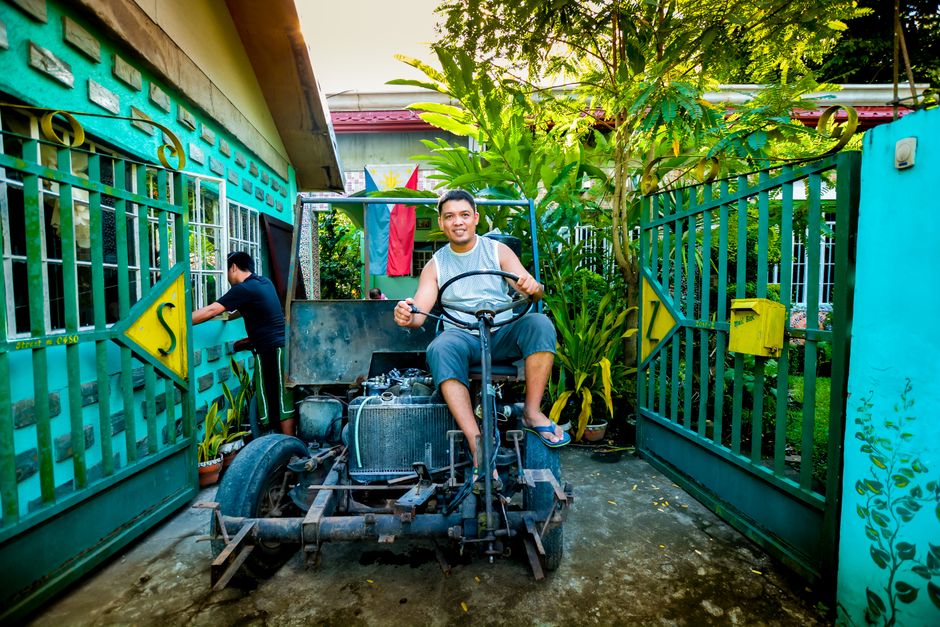
Image source: Pexels | Photo by Roderick Salatan on Pexels
Biodiversity and wildlife for a true Eden feel
Grow for pollinators
Pick blooms for all seasons. Spring bulbs, summer daisies, fall asters. Use native flowers to match local bees. Plant in clumps, not singles. Avoid sprays when plants bloom.
Habitat, perches, and water
Add a shallow basin with stones for bees. Hang a bird perch near shrubs. Leave some hollow stems for insects. A small brush pile helps too.
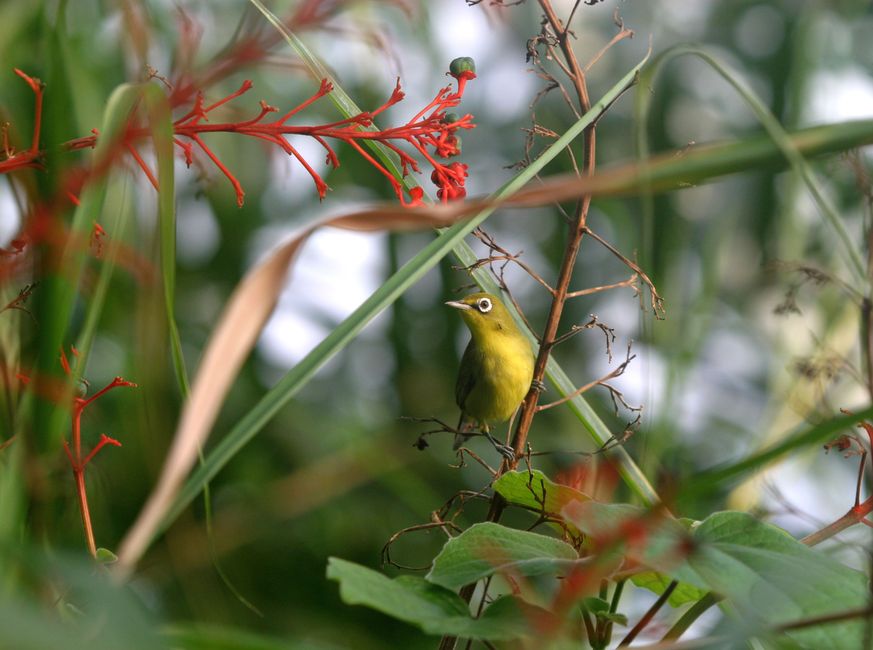
Image source: Pexels | Photo by Paul Groom Photography Bristol on Pexels
Native plants, less work
Native plants fit your climate. They need less water. They resist local pests. Ask a local nursery or club for a list. Plant once and enjoy for years.
Easy maintenance schedules
Daily
- Walk the garden for five minutes.
- Check moisture under mulch.
- Pinch dead blooms and wilted tips.
Weekly
- Top up mulch where bare.
- Deep water once or twice, not daily sips.
- Tie vines and stake stems.
- Harvest ripe produce.
Monthly
- Add a thin layer of compost around heavy feeders.
- Weed before seeds set.
- Prune for airflow on crowded plants.
Seasonal tasks
- Spring: Prep beds, sow cool crops, set supports.
- Summer: Shade tender greens, water deep, mulch more.
- Fall: Plant garlic, bulbs, and cover crops.
- Winter: Protect perennials, clean tools, plan next season.
Troubleshooting common problems
Poor drainage and standing water
Lift beds by 6–8 inches. Add compost and some coarse sand. Do not overwork wet soil. Create a slight slope away from the house. Plant willows or sedges in wet spots.
Soil pH not right
Test pH with a simple kit. Most crops like 6.0–7.0. Add lime to raise pH. Add sulfur to lower it. Change slowly and retest in a month.
Pests chewing leaves
Identify first, then act. Hand-pick beetles in the morning. Use row covers on young plants. Spray soapy water on aphids. Plant dill and fennel to draw in allies like ladybugs.
Heat waves and frost
For heat, add shade cloth at mid-day. Water early and mulch thick. For frost, use cloth or plastic covers at dusk. Remove in the morning. Plant hardy types in low spots.
Budget, tools, and time
Cost snapshot
- Sheet mulch and compost for a small bed: low cost.
- Drip kit and timer: moderate cost.
- Hoop tunnel parts: low to moderate.
- Small greenhouse: moderate to high.
Start with the low cost steps. Soil and mulch give the biggest gains. Add extras as you can.
Tools you will use a lot
- Shovel, rake, and hand fork.
- Bypass pruners and a folding saw.
- Wheelbarrow or sturdy tub.
- Drip kit, hose, and quick connectors.
- Row cover and clips.
Time plan that works
Give 15–30 minutes a day. Or 2–3 hours on a weekend. Short, steady work beats long, rare bursts. Keep a list and do one task at a time.
My hands-on notes and small wins
I turned a bare side yard into a lush strip. I used cardboard, compost, and a thin wood chip mulch. In six weeks I had herbs, greens, and bees.
Wind was strong by my west fence. I planted a mixed hedge with rosemary, bay, and native shrubs. It cut wind and fed pollinators. It made the space feel safe and calm.
Drip lines changed my life. No more drag-the-hose days. Plants grew with even water. I also added a small cold frame. It gave me lettuce in late fall.
The best tip I can share is this. Grow what you love to eat and see. Then layer in flowers and covers. Keep soil fed and covered. Your “Eden” will come to life.
Sustainable practices you can trust
Compost and leaf mold
Save kitchen scraps. Mix browns and greens. Keep it moist like a wrung sponge. Turn when you can. Leaf mold is slow, but gold for soil.
Rainwater harvest
Use a barrel under a downspout. Add a screen to stop bugs. Place on blocks for gravity flow. Use a soaker hose off the tap. Plants love soft rain water.
Low-input, high-yield choices
Pick perennials for long life. Asparagus, rhubarb, berries, and herbs give year after year. Choose disease-resistant types. Mulch deep to cut water use. Let roots build a living sponge.
FAQs
How did Wolfgang die in Project: Eden’s Garden?
Short answer for this popular search. As of the latest public chapters, there is no confirmed, official death for Wolfgang. Fan posts may claim events, but those are not final. Watch for updates from the team as the story grows.
Why does this guide use “how did wolfgang die project eden’s garden” in a gardening post?
Many readers type that phrase and also love gardens. We give the spoiler-safe note up top, then deliver real garden value. You get a clear answer and a full Eden-style plan you can use today.
What is the fastest way to start an Eden-inspired garden?
Start with one 4×8 foot bed. Sheet mulch with cardboard, compost, and mulch. Add three herbs, three edibles, and a ring of flowers. Lay a simple drip line. This gives fast wins with low work.
How do I keep my garden lush without wasting water?
Group plants by need. Use drip and mulch. Water in the morning. Add compost to build soil sponges. Shade soil with groundcovers. These steps can cut water use by half.
What plants look “Eden-like” but are easy to grow?
Try a small fig or dwarf apple, berry shrubs like blueberry, herbs like rosemary and thyme, and flowers like calendula and cosmos. Add native perennials for your region. Mix textures for a wild, full look.
Can I build a greenhouse on a budget?
Yes. Use PVC hoops and clear plastic over a raised bed. Add clamps and a center support. Vent on warm days. This simple frame can add weeks to your season for little cost.
What if my soil is terrible clay or sand?
Do not fight it with heavy tilling. Add compost, leaves, and mulch each season. Build beds on top with sheet mulch. Plant deep-rooted covers to open soil. In time, soil life will change the structure for you.
Conclusion
We started with a hot query: “how did wolfgang die project eden’s garden.” The clear note is that there is no confirmed answer in public builds at this time. Now you also have a calm, proven way to grow your own Eden at home. Simple steps, thick mulch, smart water, and layered plants.
Use the WOLFGANG method to guide each choice. Start small and enjoy each win. In a few months, your space will look lush, feed you, and welcome birds and bees. That is the kind of story we get to write in real life, one plant at a time.
References
Royal Horticultural Society: How to improve your soil