
Growing plants in pots is an excellent way to cultivate a garden, especially if you have limited space or poor soil conditions. Whether you’re a seasoned gardener or a beginner, understanding how to grow plants in pots can lead to a rewarding experience filled with vibrant blooms and lush greenery. This guide will walk you through the essential steps, from choosing the right pots to troubleshooting common issues, ensuring your potted plants thrive.
Choosing the Right Pots for Your Plants
Selecting the right pots is crucial for successful container gardening. Here are some factors to consider:
Material Matters
Pots come in various materials, each with its pros and cons:
- Plastic Pots: Lightweight and affordable, plastic pots retain moisture well but may not provide adequate aeration.
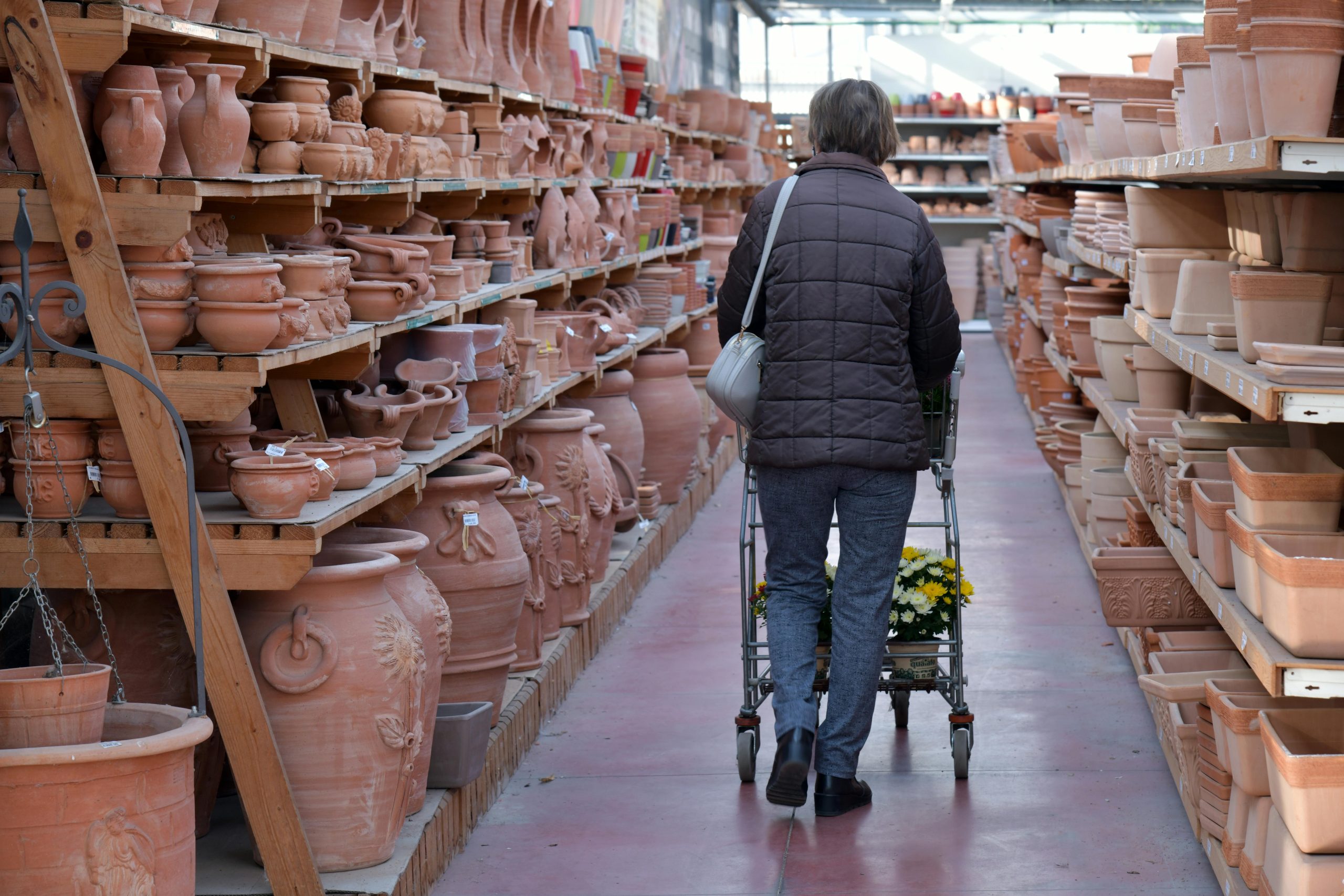
- Terracotta Pots: These clay pots are porous, allowing for excellent drainage and air circulation. However, they can dry out quickly, requiring more frequent watering.
- Ceramic Pots: Often glazed, ceramic pots are attractive and retain moisture but can be heavy and expensive.
- Fabric Pots: These breathable pots promote healthy root growth and prevent overwatering, making them an excellent choice for many plants.
Size and Drainage
The size of the pot is also essential. A pot that is too small can restrict root growth, while a pot that is too large may retain excess moisture. As a general rule, choose a pot that is at least 6-12 inches deep for most plants. Ensure that your pots have drainage holes to prevent waterlogging, which can lead to root rot.
Aesthetic Appeal
Consider how the pots will fit into your space. Choose colors and styles that complement your home or garden. A well-placed arrangement of pots can enhance the overall aesthetic of your outdoor or indoor space.
Selecting the Best Soil for Container Gardening
The soil you use is just as important as the pot itself. Here’s how to choose the right soil for your potted plants:
Potting Mix vs. Garden Soil
Avoid using garden soil in pots, as it can compact and restrict root growth. Instead, opt for a high-quality potting mix designed for container gardening. These mixes typically contain a blend of peat moss, vermiculite, and perlite, providing excellent drainage and aeration.
Customizing Your Soil
Depending on the plants you choose, you may want to customize your potting mix:
- Cacti and Succulents: Add sand or gravel to improve drainage.
- Herbs: Incorporate compost for added nutrients.
- Ornamental Plants: Use a mix that retains moisture but drains well.
Testing Soil pH
Most plants prefer a slightly acidic to neutral pH (around 6.0 to 7.0). You can purchase a soil pH testing kit to ensure your potting mix is suitable for your plants. Adjust the pH if necessary by adding lime to raise it or sulfur to lower it.
Watering Techniques for Potted Plants
Proper watering is vital for the health of your potted plants. Here are some effective techniques:
Understanding Water Needs
Different plants have varying water requirements. For instance, succulents and cacti need less water than tropical plants. Research the specific needs of your plants to avoid over or under-watering.
Watering Frequency
A good rule of thumb is to check the top inch of soil. If it feels dry, it’s time to water. During hot weather, you may need to water daily, while in cooler months, watering every few days may suffice.
Techniques for Effective Watering
- Water Thoroughly: When watering, ensure that water seeps out of the drainage holes. This ensures that the entire root system receives moisture.
- Use a Watering Can with a Long Spout: This allows you to direct water precisely where it’s needed without oversaturating the soil.
- Consider Self-Watering Pots: These pots have a reservoir at the bottom, providing a consistent moisture level for your plants.
Fertilizing and Nutrient Management
Potted plants often require additional nutrients since they have limited soil volume. Here’s how to manage fertilization effectively:
Choosing the Right Fertilizer
Select a balanced, slow-release fertilizer that provides essential nutrients over time. Look for a fertilizer with an N-P-K ratio (Nitrogen-Phosphorus-Potassium) suitable for your plants. For example, a 10-10-10 ratio is ideal for general use.
When to Fertilize
Fertilize your plants during the growing season (spring and summer) when they are actively growing. Reduce or stop fertilizing in the fall and winter when most plants enter dormancy.
Organic Options
If you prefer organic gardening, consider using compost, worm castings, or fish emulsion as natural fertilizers. These options enrich the soil without the risk of chemical buildup.
Common Plant Choices for Pots
When learning how to grow plants in pots, selecting the right plants is key. Here are some popular choices:
Flowering Plants
- Petunias: These vibrant flowers thrive in pots and bloom all summer long.
- Geraniums: Known for their hardiness, geraniums are perfect for sunny spots.
Foliage Plants
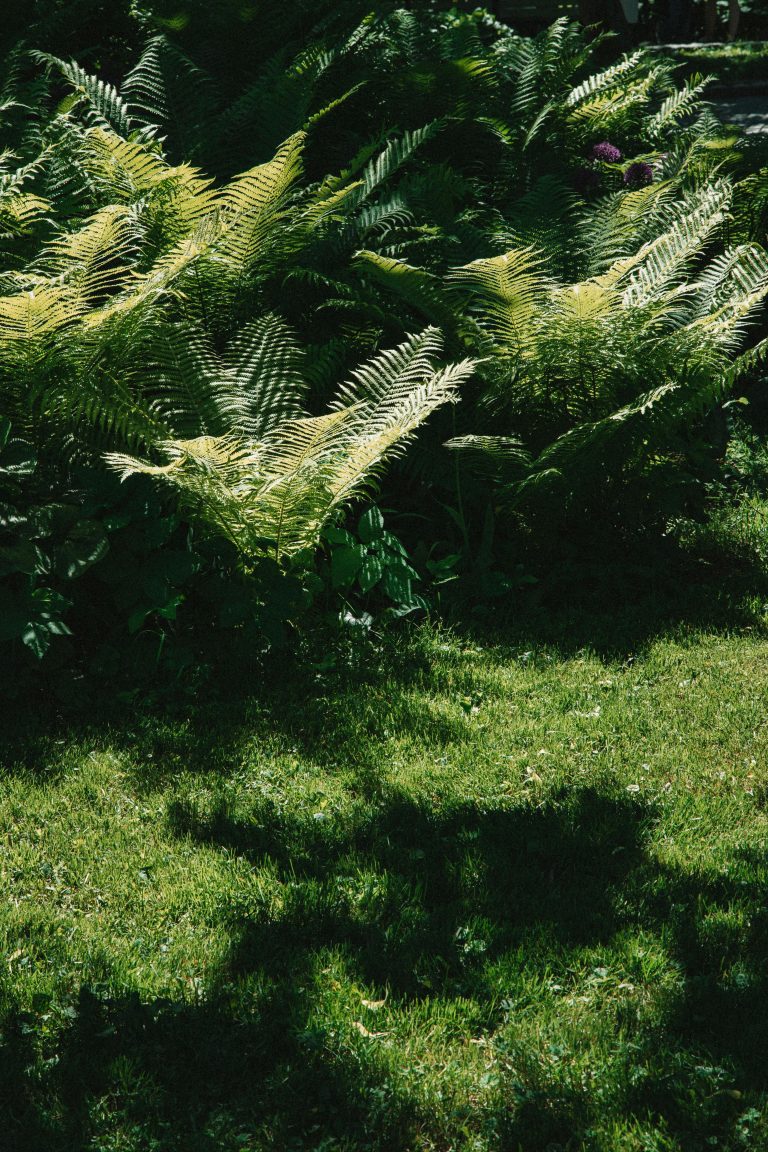
- Ferns: Ideal for shaded areas, ferns add lush greenery to your space.
- Pothos: This hardy houseplant is perfect for beginners and can thrive in various light conditions.
Herbs and Vegetables
- Basil: A great choice for culinary enthusiasts, basil grows well in pots and requires plenty of sunlight.
- Cherry Tomatoes: These compact plants are perfect for container gardening and produce delicious fruit.
Troubleshooting Common Issues in Container Gardening
Even with the best practices, you may encounter challenges while learning how to grow plants in pots. Here are some common issues and how to address them:
Yellowing Leaves
If your plant’s leaves are turning yellow, it could be a sign of overwatering or nutrient deficiency. Check the soil moisture and adjust your watering schedule accordingly. If nutrient deficiency is suspected, consider fertilizing your plant.
Wilting Plants
Wilting can indicate either underwatering or overwatering. Assess the soil moisture level. If the soil is dry, water your plant thoroughly. If it’s soggy, allow it to dry out before watering again.
Pests and Diseases
Container plants can attract pests like aphids and spider mites. Regularly inspect your plants and treat infestations with insecticidal soap or neem oil. For diseases, ensure good air circulation and avoid overcrowding your pots.
Conclusion
Learning how to grow plants in pots can be a fulfilling and enjoyable endeavor. By selecting the right pots, soil, and plants, and implementing effective watering and fertilization techniques, you can create a thriving container garden. Remember to monitor your plants regularly for signs of stress and adjust your care routine as needed. With patience and practice, you’ll be rewarded with a beautiful display of greenery that enhances your living space. Happy gardening!